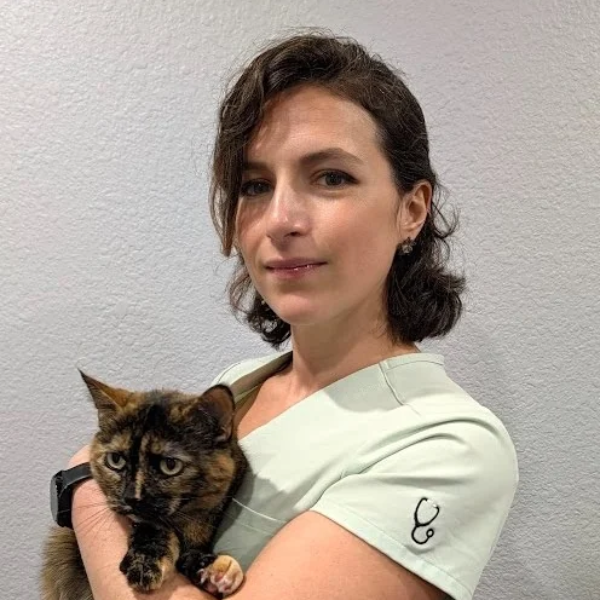
Kelly Foltz is a graduate of Athens Technical College with an associate of applied technology degree in veterinary technology. In addition to her VTS (ECC), Kelly maintains active credentials in Alabama, Florida, Georgia, North Carolina, and Virginia. In 2024, Kelly became BluePearl’s east division nursing partner, supporting 42 emergency and specialty hospitals along the eastern seaboard as a subject matter expert, advocate, administrator, and coach. In addition to her clinical work, Kelly has contributed chapters to veterinary technology textbooks, co-authored peer-reviewed journal articles, and worked as an adjunct instructor at two accredited programs of veterinary technology.

8:00 AM–9:15 AM
Itsy-Bitsy ICU: Nursing Hacks for Your Smallest Patients
Pediatric and neonatal patients appear frequently at both general and ER practices, but evaluating and treating them can be difficult due to the variations in anatomy, physiology, vital signs, immune, and neurologic function that make them different from adults. This lecture provides an overview of the challenges and successes that can be found in the nursing management of neonatal and pediatric cases.
9:25 AM–10:25 AM
Strokin’ Out: Heatstroke in the ER
Heatstroke is a common seasonal presentation in the ER and can occur year-round in warmer regions. More than a seasonal concern, heatstroke can be life-threatening. Even when active cooling is effective, the sequelae can be severe. In this lecture, we will review the etiology and pathophysiology of heatstroke, pre-hospital and clinical interventions, secondary effects of heatstroke, and the literature available on risk factors and prognostic indicators.
11:00 AM–12:00 PM
A Sick, Sad World: Canine Parvovirus
Parvovirus is ubiquitous, but is there anything new? This deadly virus first emerged in the 1970s and veterinary professionals have been fighting it ever since. Once almost universally fatal, mutations have created a disease that is endemic to some parts of North America, devastating for patients, and costly to treat. This lecture reviews the pathophysiology of the disease and recommended therapeutics with an emphasis on nursing care.
01:30 PM–02:30 PM
Only A Flesh Wound: Care for Complex Wounds
Small animal patients experience a variety of wounds—blunt trauma, penetrating trauma, crushing injuries, bite wounds, the list goes on. Wounds represent a significant proportion of veterinary ER visits, and veterinary technicians are often responsible for the initial triage, decontamination, bandaging, and ongoing care of these injuries. Attendees will develop confidence with wound classification as well as review principles of wound care and management modalities, including sugar and honey dressings, wet-to-dry and tie-over bandages, wound drains, and vacuum assisted closure.
2:40 PM–3:40 PM
When Cats Go Splat: Nursing the Feline Trauma Patient
Feline patients experience the full spectrum of trauma events: vehicle accidents, bite wounds, crush injuries, gunshot wounds, and other forms of blunt and penetrating trauma, yet they should not be treated as small dogs in the ER. In this session, we will review the epidemiology of feline trauma and physiology of feline shock. This lecture will also provide overviews of analgesic options for cats and nursing care plans for the feline trauma patient, including nutritional support.
4:15 PM–5:30 PM
The Smallest Sagas: Common Pediatric Emergencies
This lecture focuses on the most common pediatric ER presentations with an emphasis on hypothermia, hypoglycemia, “fading,” and trauma. Congenital abnormalities and select infectious diseases will also be discussed.
View All Speakers | Discover More Below