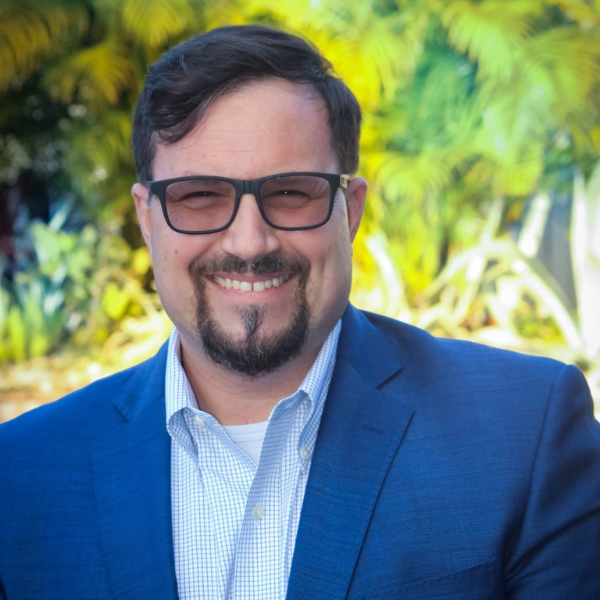
Dr. Phil Richmond is a practicing veterinarian and the founder/CEO of Flourishing Phoenix Veterinary Consultants, LLC. He holds multiple certifications in applied positive psychology, appreciative inquiry, workplace wellbeing, psychological health and safety, trauma-informed workplaces, resilience training, behavior change, and suicide prevention. Dr. Richmond has been awarded the Blue Buffalo Together for Pets Award, FVMA Veterinarian of the Year, the Uncharted Veterinary Community Founder’s Award, and was one of three finalists for the 2024 U.S. Bright Minds Veterinary Wellness Champion.
Practice Management
In-person
Friday, June 19, 2026
8:00AM–9:15 AM
Hunt the Good Stuff: Prioritizing Positive Emotions in Veterinary Medicine
The PERMAH theory of wellbeing is the work of Dr. Martin Seligman, one of the co-founders of positive psychology. The P in the acronym stands for positive emotions. Happiness, optimism, and gratitude are included in this category. Positive emotion induction has a demonstrable, proven benefit to an individual’s overall subjective wellbeing. In practicing clinicians’ cases, positive emotion has been shown to induce faster and more accurate diagnoses. Attendees will be instructed on optimism as a learned skill of resiliency—one that has to do with our explanatory style regarding events and the world around us. Gratitude practices and interventions will be covered with an opportunity to engage.
9:25 AM–10:25AM
The Silent Saboteurs: How Psychosocial Hazards Impact Teams (and What to Do About It)
Burnout and suicide prevention, job satisfaction, team retention, and patient safety—these are all topics of concern in veterinary medicine. What do they all have in common? They can be impacted by hazards and/or risks we encounter in our hospitals. With the recent release of ISO 45003:2021 Psychological Health and Safety at Work — Guidelines for Managing Psychosocial Risks, many countries have instituted legislation or guidelines to protect workers from psychological harm. Assessing, identifying, and removing/mitigating these “psychosocial hazards/risks” not only positively impact team members; the process also creates a culture of people-first veterinary workplaces—making your hospital an employer of choice.
11:00AM–12:00PM
Thinking 2.0: Improving Resilience and Communication Through Thought Crafting
Overgeneralizing, mind reading, jumping to conclusions, and assumptions are just a few of the thinking traps that impede performance. Successful communication and wellbeing are dependent on the ability to focus, challenge, and reframe automated behaviors. Learn to stay solution-focused rather than problem-focused. Becoming self-aware of automatic processes allows you to understand clients and co-workers more effectively.
1:30PM–2:30PM
Unleash Your Neurologic Superpowers: Capitalizing on Character Strengths in Veterinary Medicine
The science and study of character strengths is the backbone of modern positive psychology. Assessment of character strengths and working to utilize our signature strengths keep us engaged at work, at home, and in life. In this session, we will examine the concepts of repletion and self-regulation, as well as ways to increase them. When our team members are aware and use their character strengths at work, they experience significantly higher levels of engagement and flourishment.
2:40PM–3:40PM
Proof Positive: Successful Teams Seek Psych Safety
Psychological safety is the most important aspect of successful teams. Our ability to feel safe to share ideas, to grow from failure, and to be honest with empathy allows our team to bypass the “interpersonal mush” that can exist otherwise. A sense of belonging, ability to be vulnerable, and strong interpersonal relationships are the initial ingredients to create this environment. We can assess psychological safety in a team using different tools. If psychological safety is lacking, we can help foster it using specific interventions, including civility and growth mindset work.
4:15 PM–5:30 PM
Slaying the Stigma: Alcohol and Substance Use Disorder in Veterinary Professionals
Alcohol and substance use disorders (AUD/SUDs) affect up to 12-15% of medical professionals during some point in their careers. In addition, the pandemic has increased alcohol and substance use throughout the U.S. population. These disorders are brain diseases, not moral failures. Learn what can predispose a colleague or co-worker to AUD/SUD and what to do to help someone you think might need help. See how stigma and misconceptions about these disorders affect the individual and the veterinary profession.
View All Speakers | Discover More Below