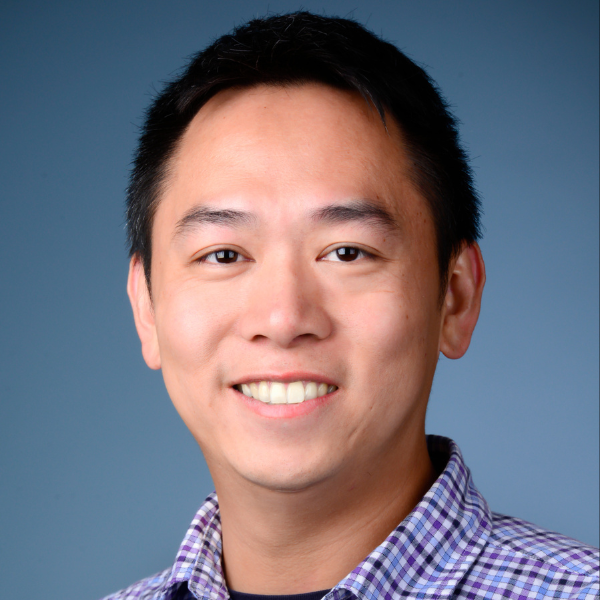
Dr. Po-Yen Chou is a clinical associate professor of the orthopedic surgery service at UC Davis, where he focuses on advanced small animal orthopedic surgery, including total joint replacement, fracture repair, arthroscopy, and minimally invasive techniques. Dr. Chou is a Diplomate of the American College of Veterinary Surgeons (Small Animal) and an ACVS Fellow in Joint Replacement Surgery. He is an active contributor to veterinary surgery literature and international education, serving as an invited speaker at specialty conferences and as an author for reference resources.
8:00 AM–9:15 AM
Top 10 Orthopedic Emergencies in Dogs and Cats: From Triage to Definitive Care
In this session, we will identify the most common orthopedic emergencies in dogs and cats and distinguish them from medical or neurologic emergencies requiring different priorities. Attendees will learn how to develop initial stabilization plans for fracture, luxation, and polytrauma patients, including analgesia, fluid therapy, hemorrhage control, and temporary limb support. We will also cover how to plan and perform (or refer for) closed reduction of common traumatic luxations under adequate sedation or anesthesia, and determine when open reduction, surgical stabilization, or delayed repair is indicated. The session will delve into communicating prognosis, time sensitivity, and cost considerations to owners while outlining the roles of general practice and referral centers in definitive care.
9:25 AM–10:25 AM
Canine Hip Dysplasia: From Screening to Surgical Solutions
The lecture will explore the epidemiology, heritability, and pathophysiology of canine hip dysplasia and differentiate clinical signs in juvenile versus mature dogs. We will compare screening methods (standard extended view radiographs, PennHIP, and laxity palpation like Ortolani) and explain their advantages, limitations, and indications. Attendees will learn how to formulate age and stage appropriate treatment plans integrating joint preserving surgery (e.g., JPS, DPO/TPO), total hip replacement, and conservative management. The lecture will further explain how to counsel owners on prognosis, complication risks, and long-term quality of life expectations for medical and surgical options to support shared decision-making.
11:00 AM–12:00 PM
Patella Luxation: Beyond Trochleoplasty and TTT
In this session, we will address the multifactorial pathogenesis of patellar luxation, including femoral and tibial deformities, soft tissue imbalance, and trochlear dysplasia. We will cover how to apply foundational soft tissue techniques, such as medial release, lateral imbrication, capsulorrhaphy, and anti-rotational sutures, to rebalance the quadriceps mechanism. Furthermore, the lecture will tackle the indications, core steps, and common pitfalls of traditional bony procedures for patellar stabilization, including trochlear wedge or block recession sulcoplasty, and tibial tuberosity transposition, as well as compare how traditional techniques and advanced options (e.g., corrective osteotomies, implant assisted stabilization, and groove replacement) can be combined into individualized reconstruction plans based on luxation grade, limb deformity, and prior surgery.
1:30 PM–2:30 PM
The Truth Behind “Slowing Down”: Orthopedic and Neurological Diseases in Geriatric Dogs and Cats (with Dr. Vishal Murthy)
Dogs and cats often “slow down” with age, from orthopedict to neurological issues. However, teasing apart orthopedic from neurologic causes of gait changes can be challenging—especially when both are present. This talk reviews a systematic approach to evaluating the geriatric patient, emphasizing gait assessment, neurologic screening, localization, and recognition of common orthopedic and neurological diseases. We will outline a practical, stepwise diagnostic strategy suitable for general practice, with indications for advanced imaging in complex cases. Finally, we will discuss multimodal management options, to optimize comfort and quality of life in aging pets.
View All Speakers | Discover More Below